Metal Brackets Mounting Solutions Types Manufacturing Methods
Author:Xinxing Time:2026-08-05 23:43:56 Click:172
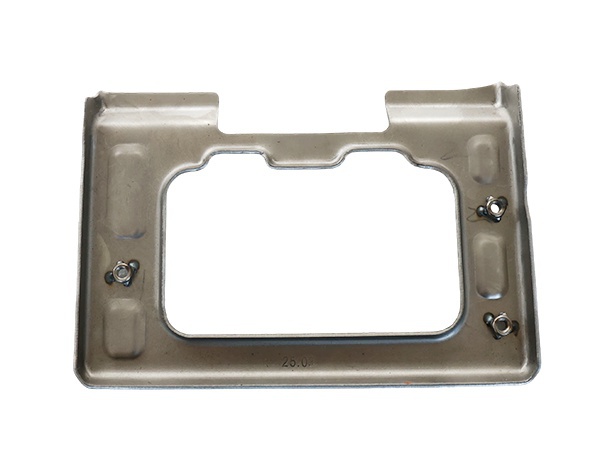
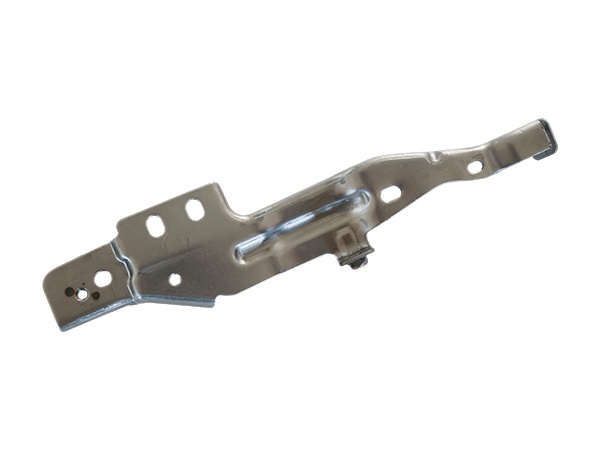
Metal brackets are among the most fundamental yet essential components in mechanical and structural assemblies. They provide support, alignment, and attachment points for everything from heavy industrial equipment to delicate electronic modules. Despite their apparent simplicity, well-designed brackets require careful consideration of loads, materials, and manufacturing processes. A reliable metal bracket manufacturer must understand the nuances of producing parts that perform consistently across thousands or millions of units.
Common Bracket Types and Their Applications
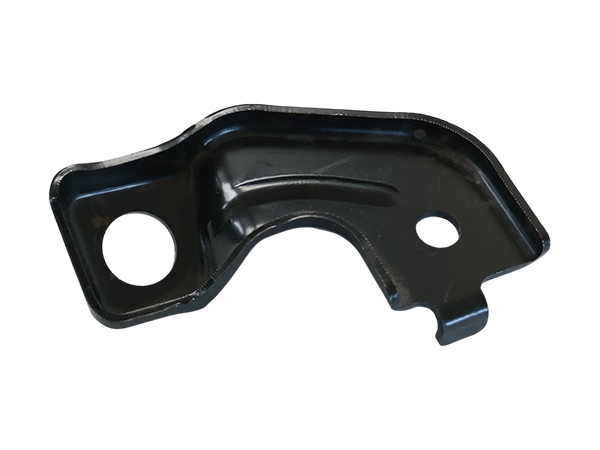
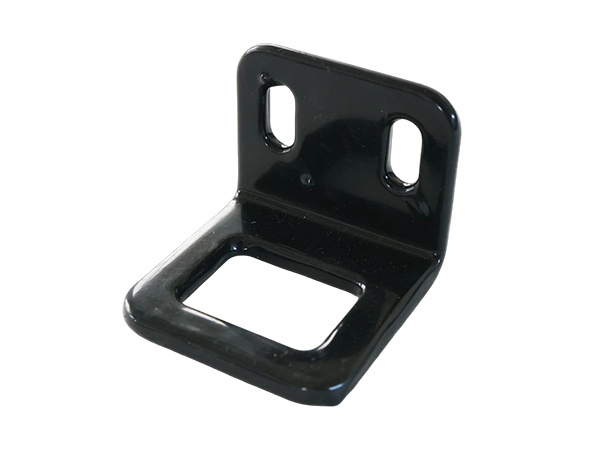
L-brackets are perhaps the most recognizable type, featuring two perpendicular flanges that create a rigid corner support. They are used extensively for mounting equipment to walls, joining structural members, and supporting shelving. U-brackets, also called channel brackets, have three sides and are commonly used for pipe and conduit mounting, cable management, and motor mounting applications. Z-brackets provide offset mounting surfaces and are useful for aligning components at different planes. Support brackets with gussets reinforced by triangular ribs handle heavier loads in machinery and structural applications. Slotted brackets allow positional adjustment, making them valuable for prototypes and applications where alignment tolerances are critical. Each bracket type presents unique manufacturing considerations that a proficient manufacturer handles through appropriate tooling design.
Manufacturing Methods for Metal Brackets
Stamping is the most cost-effective method for producing brackets in medium to high volumes. Progressive stamping dies can produce complete brackets in a continuous operation, performing blanking, piercing, bending, and coining at sequential stations. Sheet metal fabrication using laser cutting and CNC press braking is ideal for low-volume or prototype bracket production, as no hard tooling is required. CNC machining is sometimes employed for brackets requiring tight tolerances or features that are difficult to form. The choice of manufacturing method depends on annual volume, complexity, material, and tolerance requirements. A versatile manufacturer can recommend the optimal approach based on your specific needs.
Materials for Bracket Manufacturing
Hot-rolled steel is commonly used for heavy-duty structural brackets where surface appearance is less critical. Cold-rolled steel provides better surface finish and tighter dimensional tolerances for visible applications. Stainless steel brackets are specified for outdoor, marine, and food processing environments. Aluminum brackets offer corrosion resistance and weight savings for transportation and aerospace applications. Spring steel is used for clips and retaining brackets that must provide elastic holding force. Galvanized steel provides cost-effective corrosion protection for outdoor mounting applications. Material thickness is selected based on load requirements, with heavier gauges used for structural supports and lighter gauges for non-load-bearing applications.
Design Tips for Manufacturable Brackets
Several design principles improve bracket manufacturability and reduce cost. Specifying standard bend radii rather than custom values allows the use of standard tooling. Maintaining consistent material thickness throughout the bracket avoids the complexity of forming variable-thickness blanks. Adding corner relief at bend intersections prevents material tearing and improves appearance. Locating holes away from bend areas ensures hole roundness and positional accuracy. Generous tolerances on non-critical dimensions reduce inspection costs and increase production yields. A bracket manufacturer with strong engineering capabilities can provide design feedback during the quoting phase that often results in significant cost savings.
Surface Treatment and Corrosion Protection
Depending on the operating environment, brackets may require surface treatment. Zinc plating provides economical corrosion protection for indoor applications. Hot-dip galvanizing creates a thicker zinc coating suitable for outdoor and harsh environments. Powder coating adds both protection and aesthetic appeal, available in a wide range of colors. Black oxide coating offers a low-cost option for aesthetic darkening with minimal dimensional change. Electrophoretic coating provides uniform coverage on complex geometries. After treatment, some brackets may receive supplementary rust-preventive oil. A stamping manufacturer typically offers a menu of finishing options to match the application requirements.
Quality Verification for Bracket Production
Critical bracket dimensions include hole positions, flange angles, flatness, and overall profile. Dimensional inspection using gauges, fixtures, or CMM equipment ensures that brackets meet print specifications. Load testing may be required for brackets supporting safety-critical components. Surface finish inspection verifies that bends are free of cracks and cosmetic surfaces are free of defects. Material certifications provide traceability for regulatory compliance. A quality-focused bracket supplier documents these checks and maintains records for the duration of the production program.
Conclusion
Metal brackets may be simple components, but their manufacturing requires careful attention to design, material selection, process choice, and quality control. Whether produced through stamping or fabrication, well-made brackets contribute to the reliability and longevity of the assemblies they support. Selecting the right manufacturing partner ensures that these essential components meet their performance requirements at a competitive cost.
References
Industrial Fasteners Institute. "Standards for Industrial Metal Brackets and Mounting Hardware." Cleveland, Ohio, 2021.
American Society of Mechanical Engineers. "Design of Welded and Bolted Structural Connections." New York, 2022.
Sheet Metal and Air Conditioning Contractors National Association. "Metal Bracket Design Guidelines." Chantilly, Virginia, 2020.
Society of Automotive Engineers. "SAE J1199: Mechanical and Material Requirements for Steel Brackets." Warrendale, Pennsylvania, 2021.
International Journal of Mechanical Engineering. "Optimization of Bracket Designs for Stamped Manufacturing." Springer, London, 2023.
 Hot Products
 Contact Us
Contact:
Mobile:+86 +86 16630784777
Website:
Address: